
Trade & Tariff Update #48 - Canadian Trade Thaw, Section 301 Excess Capacity & More
Stay updated on U.S.-China trade relations, tariff changes, and recent developments affecting global economic trends. Explore key insights and analysis.
Regulatory Article Contents
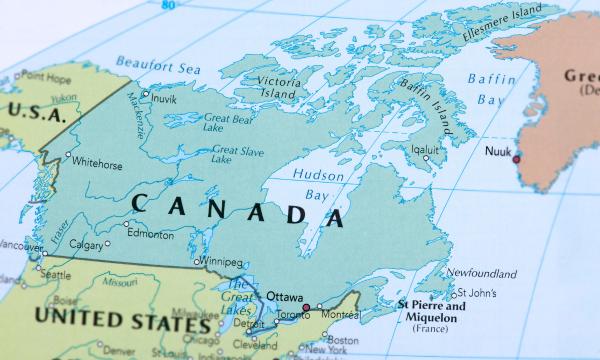
Canadian Trade Thaw
The Canadian trade relationship likely warmed somewhat last Friday when President Trump removed certain items from the list of products subject to Section 338 duties and added others. Many of the products removed impact Maine, prompting chatter that the move is an effort to aid Maine Senator Susan Collins’ re-election campaign. View the fact sheet here.
Over the weekend, Bloomberg reported that White House economic advisor Kevin Hassett stated that the United States and Canada are “very close” to reaching a trade agreement.
China Section 301 Port Fees
On October 26, the Office of the United States Trade Representative (USTR) published a Notice for Comment regarding the additional two-month suspension through January 9, 2027, of the Section 301 China-built vessel fees. The two-month extension was included in the trade truce extension negotiated during the recent President Trump/President Xi summit. USTR is seeking comments on the proposed extension by Oct. 30.
New Section 338 Tariff Litigation Over Canada Tariffs
A new lawsuit challenging the Section 338 tariffs against Canada was filed last week in the Court of International Trade (CIT). Plaintiff Gellert Global Group, a New Jersey food importer, is requesting that the CIT declare the tariffs unlawful, block their enforcement and order the Trump Administration to refund duties already paid plus interest. The complaint argues that Section 301 of the Trade Act of 1974 effectively superseded and replaced Section 338, under which the Canadian tariffs at issue were imposed. An opinion piece published in the Hill last Friday discusses this question and advocates that Congress act to confirm that Section 338 was superseded by Section 301 which casts a wider net yet also imposes safeguards. While the court has yet to rule, the argument that Congressional action is required could suggest that the 338 tariffs rest on firmer legal ground.
Plaintiff Gellert is represented by the Liberty Justice Center, the same legal organization that successfully challenged the IEPPA reciprocal tariffs struck down by the Supreme Court in February.
Section 301 Excess Capacity
The Brookings Institute released an interesting analysis of the circumstances surrounding the pending Section 301 Excess Capacity investigation. The author noted some consensus among countries that excess capacity -- particularly in China -- is a problem, but highlighted the challenge of finding a collective solution. During a recent presentation, a trade attorney observed that the Excess Capacity investigation may be the ultimate endgame in tariff policy. If the IEEPA tariffs were implemented on dubious legal grounds and the Forced Labor Section 301 duties implemented hastily, the deliberate process Excess Capacity investigation is neither. The international consensus that the problem exists and is real could make whatever remedy the USTR determines more legally durable and lasting.
De-Minimis Exemption Compliance Extension
Last week United States Customs and Border Protection announced it is extending the compliance deadline to January 20, 2027 for shippers to meet new reporting requirements under the elimination of the de-minimis exemption.
Disclaimer: APPA does not make any representations about the completeness, suitability, or adequacy of the information provided during the Office Hours or Trade Talks. Any information provided are intended for general informational purposes only, they do not constitute a recommendation or solicitation to do or omit to do any action and should not be interpreted as legal, regulatory, or compliance advice. You should seek independent advice from qualified professionals before acting on any information provided and/or to evaluate specific regulatory obligations and operational decisions.
Disclaimer from Progressive Trade Consulting: PTC is not a law firm, does not practice law, and does not provide legal advice. The Client should consult legal counsel for any legal matters, including trade compliance. The Importer of Record (IOR) is responsible for complying with customs regulations and managing the import process. This includes obtaining required licenses and permits, classifying and valuing goods correctly, declaring goods accurately, paying duties and taxes, following import rules, and maintaining proper records.