
Trade & Tariff Update #44: U.S.-China Trade Relations, EPR Litigation Filings & More
Stay informed on U.S.-China trade relations, tariff updates, and the latest economic developments from the recent summit and ongoing legal challenges.
Regulatory Article Contents
United States/China Summit
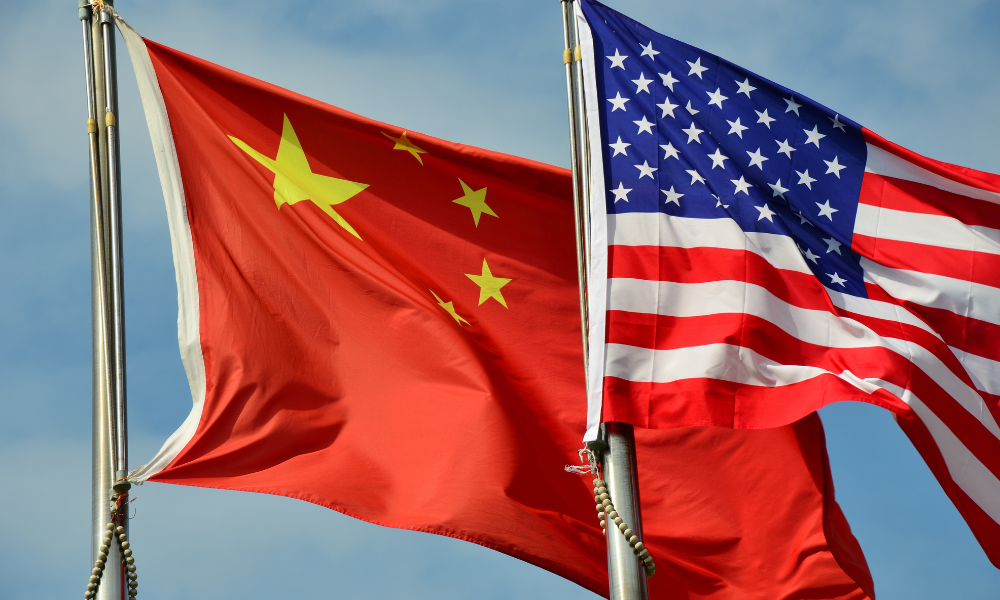
The summit between President Trump and Chinese President Xi concluded at the end of last week with a two-month extension of the trade truce until January 10, 2026. Under the truce, the United States had agreed to suspend certain tariffs and other economic restrictions on China, while China pledged to provide a steady flow of rare earth minerals necessary for American factory production of cars, semiconductors, planes, power tools and other products. Over the weekend, the U.S. and China announced a total $60 billion ($30 billion each) reciprocal tariff agreement to each cut tariffs on a large list of non-strategic products. Chinese imports receiving reduced tariffs include fireworks, tableware, glass and wooden Christmas ornaments, and soccer balls. Tariffs remain extraordinarily unpopular and pose significant challenges for American companies, particularly those in price-sensitive markets where the duties cannot be passed on to consumers.
China 301 Shipbuilding Tariff Letter to the United States Trade Representative (USTR)
APPA joined other stakeholders in a letter to USTR Secretary Greer last week, urging the suspension of the delay in Section 301 vessel duties, which is scheduled to expire on November 9, 2026. While the outcome remains to be seen, last week’s summit gives reason for optimism.
EPR Litigation Filings in Oregon and Colorado
On September 24, plaintiff National Association of Wholesaler-Distributors (NAW) filed its appeal with the United States Court of Appeals for the Ninth Circuit, asking it to overturn the United States District Court’s August 27 decision upholding Oregon’s EPR statute. After a five-day bench trial, the district court determined that Oregon’s law did not violate either the dormant Commerce Clause or the Due Process Clause of the United States Constitution and dissolved the preliminary injunction blocking the statute’s enforcement.
On September 28 in Colorado, plaintiff NAW filed a reply in support of its motion for a preliminary injunction seeking to enjoin enforcement of that state’s EPR law while its lawsuit proceeds. The reply follows Colorado’s response in opposition to NAW’s motion, which was filed along with its complaint on July 30, 2026. NAW’s lawsuit challenges the Colorado EPR statute on constitutional grounds that it violates both the Due Process Clause and the First Amendment.
Disclaimer: APPA does not make any representations about the completeness, suitability, or adequacy of the information provided during the Office Hours or Trade Talks. Any information provided are intended for general informational purposes only, they do not constitute a recommendation or solicitation to do or omit to do any action and should not be interpreted as legal, regulatory, or compliance advice. You should seek independent advice from qualified professionals before acting on any information provided and/or to evaluate specific regulatory obligations and operational decisions.
Disclaimer from Progressive Trade Consulting: PTC is not a law firm, does not practice law, and does not provide legal advice. The Client should consult legal counsel for any legal matters, including trade compliance. The Importer of Record (IOR) is responsible for complying with customs regulations and managing the import process. This includes obtaining required licenses and permits, classifying and valuing goods correctly, declaring goods accurately, paying duties and taxes, following import rules, and maintaining proper records.
Trade & Tariff Update #36 - Section 338 Tariffs Invoked Against Canada, International Tensions & More
Section 301 Determination Released for Brazil USTR has begun the anticipated process of replacing the IEEPA tariff regime with Section 301...
Trade & Tariff Update #41: Canadian Tariffs Take Effect
Canada Delivers Promised Tariffs as Trade War Continues Tensions continue in the ongoing dispute between the Trump Administration and the...
Trade & Tariff Update #42: Trade, Overtime & Irish Whiskey
Overtime/Independent Contractor Rule Senator Bernie Sanders (I-VT) and Representative Mark Takano (D-CA) have introduced legislation that...