Trade & Tariff Update #29 - Economic Effects of Iran Conflict, Signs Point to More Stable Tariff Activity & More
Most recent trade announcements as of 5/27/26
Regulatory Article Contents
Economic Effects of Iran Conflict Inhibiting Significant Tariff Changes
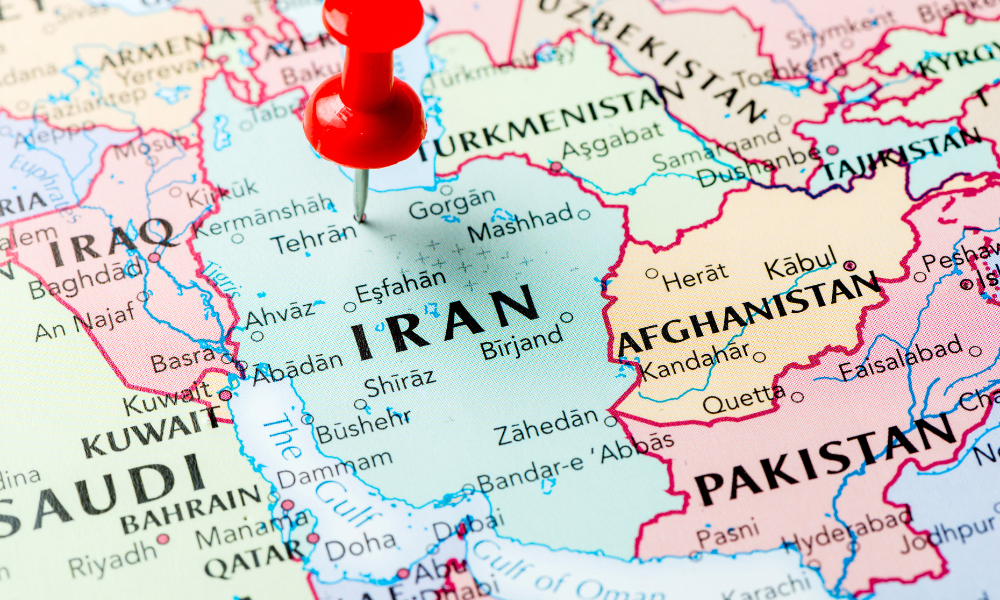
As the stagnated and prolonged effort to negotiate a settlement with Iran continues, the Administration faces the political pressure of higher inflation, rising gas prices and ever-plummeting consumer confidence. Although no significant changes to tariffs have occurred, further mitigation of tariffs is possible as evidenced by the recent announcement of reduced tariffs on beef imports. The United States Trade Representative (USTR) staff has acknowledged the need for stability in key commodities, including food and grocery items. There also is a sense from USTR staff that the IEEPA policy of not stacking tariffs on top of existing Section 232 duties likely will apply to any new Section 301 duties resulting from ongoing investigations. Additionally, USTR staff indicated that it does not expect a major rewrite of the USMCA trade agreement to the extent that would require Congressional approval.
CIT Decision Invalidating 122 Tariffs Has Been Stayed
The United States Court of Appeals for the Federal Circuit granted an administrative stay of the Court of International Trade (CIT)’s decision that the Section 122 duties were unlawful. This litigation likely will not be resolved before the tariffs expire on July 24 of this year. The consensus is that the Section 122 tariffs stand a better chance of being upheld on appeal (including by the Supreme Court) than did the IEEPA tariffs, but that is by no means certain. Now that a refund mechanism is up and running, importers should maintain their records should the invalidation of the 122 duties be confirmed.
At the same time, efforts continue to develop a Section 301 tariff regime -- through the investigations into China and other key trading partners -- that is expected to replace both the IEEPA and 122 regimes with a more defensible and long-lasting structure.
Largely Status Quo After the Recent China – United States Summit
Despite much anticipation, the recent summit between President Trump and Chinese President Xi left the U.S.-China trade relationship treading water. The trade dynamic with China remains static with both sides maneuvering for the next round of talks in September when Chinese President Xi comes to the United States. Treasury Secretary Scott Bessent has maintained a poker face, declaring that the U.S. is in no hurry to extend the trade agreement that expires at the end of the year. The U.S. is keeping pressure on China with a recent indictment of Chinese container manufacturers for colluding to raise container prices during the COVID emergency. China is taking small steps to fulfill commitments for increased agricultural and aircraft purchases under the current trade deal and have expressed a willingness to accept moderate tariffs at the levels put in place under IEEPA.
Signs Point to More Stable Tariff Activity
Meanwhile, the E.U. agreed last week to accept the trade deal with the U.S., and Canada has established an advisory council to pursue renewal of the U.S.-Mexico-Canada free trade agreement that expires this year. All of this suggests that in comparison to 2025, tariff activity will remain relatively stable and lead to a regime of moderate tariffs that is likely to be permanent. Regardless, the Section 301 determination also could empower President Trump to impose punitive duties, thereby providing him with leverage in trade negotiations and in responding to geopolitical challenges.
Disclaimer: APPA does not make any representations about the completeness, suitability, or adequacy of the information provided during the Office Hours or Trade Talks. Any information provided are intended for general informational purposes only, they do not constitute a recommendation or solicitation to do or omit to do any action and should not be interpreted as legal, regulatory, or compliance advice. You should seek independent advice from qualified professionals before acting on any information provided and/or to evaluate specific regulatory obligations and operational decisions.
Disclaimer from Progressive Trade Consulting: PTC is not a law firm, does not practice law, and does not provide legal advice. The Client should consult legal counsel for any legal matters, including trade compliance. The Importer of Record (IOR) is responsible for complying with customs regulations and managing the import process. This includes obtaining required licenses and permits, classifying and valuing goods correctly, declaring goods accurately, paying duties and taxes, following import rules, and maintaining proper records.
Trade & Tariff Update #28 - Section 122 Tariffs Imposed, EPR Deadlines Live & More
Court of International Trade Strikes Down Section 122 Tariffs Last week the Court of International Trade (CIT) issued its decision...
Trade & Tariff Update #30 - Possible Section 122 Tariff Extension, IEEPA Refunds & More
Rumblings of Possible Section 122 Tariff Extension While efforts to settle the conflict with Iran continue to limit any significant new...
Trade & Tariff Update #26 - USMCA Negotiations, Metal Tariffs & More
Canada and the United States Engage in Posturing Ahead of the USMCA Negotiations Although much attention remains on the deployment of the...